Wednesday, September 16th Edition |

What I know is that burnout is real, but we all deal with it differently.
Let’s dive in today …
- Board votes to close Kennedy Center immediately for renovations
- Election officials get mail-in voting clarity
- Family income rose and poverty fell in 2025
- Iran war has cost $246 million per day in its first five months
- 🔒 Member extra: A startup founder raised $27 million with fake records. Now she faces up to 20 years in prison
Today’s Big Story
Kennedy Center Closes Its Doors
Leaders closed down the main building hours after a judge blocked another attempt to return Trump’s name to the center

The Kennedy Center’s Trump-appointed board voted Tuesday to close the legendary Washington performing arts complex, citing structural danger and a cash crisis. The timing was anything but subtle. The vote came hours after U.S. District Judge Christopher Cooper again blocked the board from putting President Donald Trump’s name on the building.
Cooper’s ruling was blunt: “Defendants cannot install memorials for President Trump or anyone or anything else at the Kennedy Center without Congress’s blessing.” Trump, who chairs the board, responded on Truth Social that the renovation “will not take place” unless the D.C. Circuit or the Supreme Court clears the way for his name. A building, apparently, is only worth saving if it’s named after you.
The board points to a Sept. 4 ceiling collapse in the Grand Foyer as proof the place is unsafe. Lawyers for Rep. Joyce Beatty, the Democrat suing over the overhaul, say the board's own safety consultant disclaimed that conclusion. Beatty said Trump berated her by phone during the meeting itself.
Whether the doors are actually locked depends on who you ask. PBS reports the closure still requires Cooper to lift his May injunction, meaning it may not take effect yet. Vox says it’s effective immediately, and The Atlantic reports staffers heard an announcement over the PA declaring the building closed to the public. The Kennedy Center didn’t respond to PBS, and there’s no independent confirmation of the $17 million in donations Trump has claimed. For now, the nation's premier arts venue is hostage to a nameplate.
Election Officials Get Mail-In Voting Clarity
Trump slams Supreme Court for rejecting his bid to restrict ballots
The Supreme Court blocked the Trump administration on Monday from imposing new mail-ballot restrictions before the November midterms, handing election officials a rare piece of clarity at the worst possible moment to be confused. Ballots had already gone out. The order was brief and unsigned, and it arrived as a relief to the people actually counting.
A quick catch-up: The rule would have required the U.S. Postal Service to use specialized, barcode-trackable ballot envelopes and to collect voter-specific data (and it would have let USPS refuse to deliver ballots that didn’t comply). The justices left a lower court ruling against it in place. Only Justices Samuel Alito and Clarence Thomas dissented publicly, so the real split is anyone’s guess. Justice Brett Kavanaugh concurred on narrow grounds, writing that the rule came too close to the election—which, as analyst Amy Howe noted in a breakdown of the decision, leaves the door open for a second attempt.
Trump took it personally. He attacked three of his own appointees, calling Justices Neil Gorsuch, Amy Coney Barrett and Kavanaugh “a shell of their original selves.” Attorney General Todd Blanche said Tuesday the president has “every right” to express frustration, adding that the administration will comply while its illegal-voting investigations continue.
FYI:
Roughly a third of voters cast mail ballots in 2022, according to MIT researchers.
Family Income Rose and Poverty Fell In 2025
But those gains could be eroded by cuts to the social safety net
Here’s some good news: Household income went up and poverty went down last year. The Census Bureau reported Tuesday that median household income rose 2.6% in 2025 to $87,460, while the poverty rate slipped to 10.2% from 10.7%.
The fine print, though, is less cheerful. The supplemental poverty measure, which factors in taxes and benefits, barely moved at 13.1%. And the gains tilted upward: families at the top picked up 1.7%, while the bottom 10% saw essentially nothing. What’s worse, analysts told CNBC that cuts to the social safety net in last year’s Republican tax law could undo the progress, with the Congressional Budget Office projecting $211 billion less SNAP spending through 2035. Health insurance coverage held steady, but is expected to fall now that enhanced subsidies for Obamacare coverage have lapsed.
So this is a snapshot of a year that’s already over, taken before the cuts land. The Federal Reserve decides on rates later today, which is the number that actually affects your next 12 months. Whether 2026’s report looks anything like this one is the open question—and nobody’s betting on it.
FYI:
Stricter work requirements for Medicaid are also set to take effect next year.
|

|


|
🔒 Today’s Member Extras |

Exclusive |
|
|
|
Business & Finance Debriefing
The Trends You Need to Know About Right Now
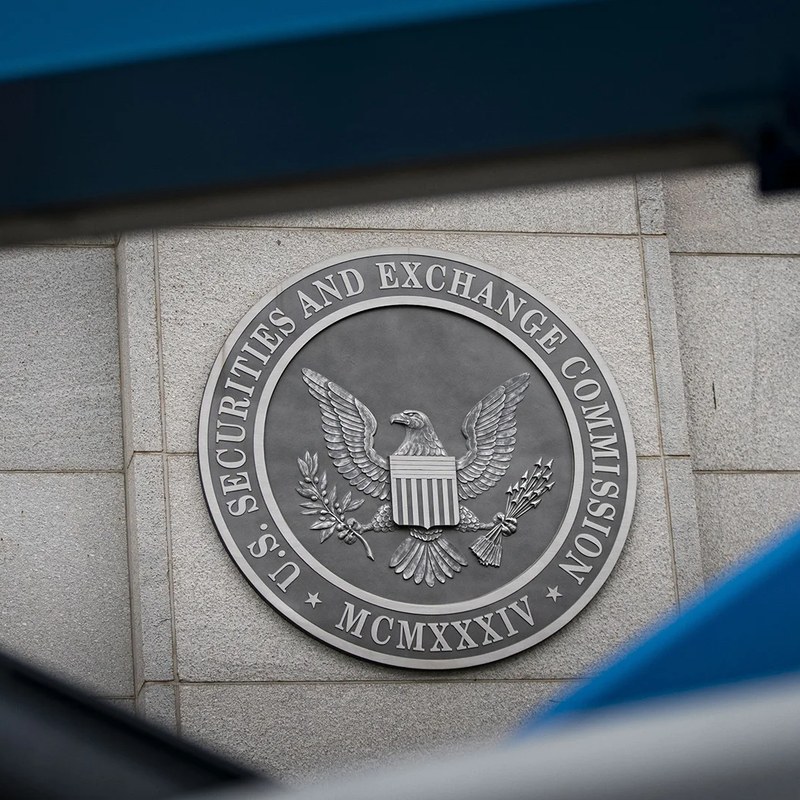
A Startup Founder Raised $27 Million With Fake Records. Now She Faces up to 20 Years in Prison
Today on


From a classic henley and stylish wall-mounted shelving to 30% off Carhartt WIP's heavyweight canvas jacket.