Wednesday, September 23rd Edition |

Would you try eating baking soda for a performance boost?
Let’s dive in today …
Presented by

Today’s Big Story
Trump’s U.N. Speech
The president lays out a winner-takes-all vision of U.S. power

President Donald Trump stood at the U.N. General Assembly on Tuesday and gave Iran a choice: a deal or annihilation. He said he faces a “big decision” and threatened to drive the Islamic Republic “into hell,” reports CNBC. Then he predicted the deal lands after November’s midterms—which is a strange thing to say about a war entering its seventh month.
The podium of the United Nations was an unusual setting for such a threat. Then again, Trump has long made clear that he has little use for the United Nations, one of the post-World War II institutions that he has dismissed as outdated and ineffective.
And his speech didn’t survive fact-checking. PolitiFact, writing at PBS NewsHour, rated as false his claim that boat strikes destroyed “97% of the drugs.” His boast about abundant munitions got tagged misleading: CSIS projects three to four years to replenish key interceptors, and NBC News reported the military was rationing them in July.
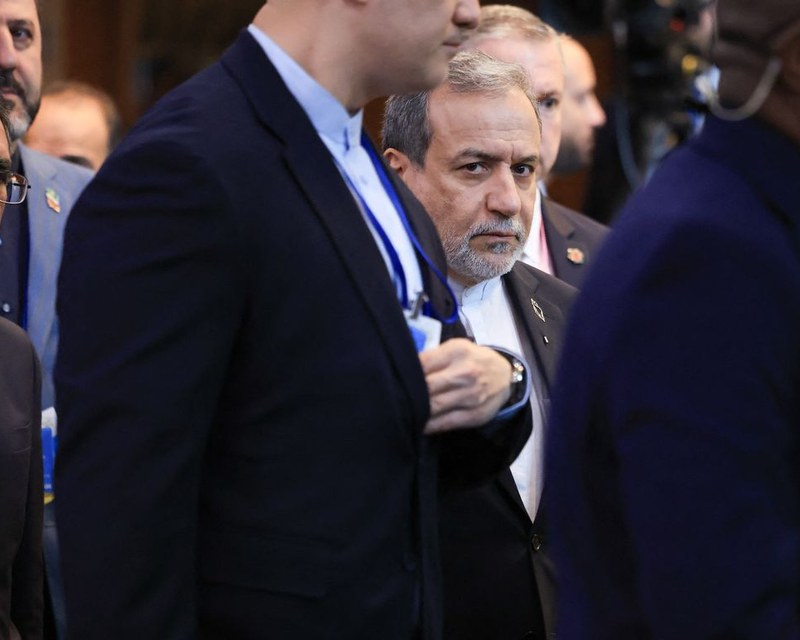
The room voted with its feet. Cuban and Iranian delegates walked out. Trump also rejected what he called a “globalist scheme” to govern artificial intelligence, proposing the technology be renamed “super intelligence” instead.
It was, like many of his speeches, pretty messy. But the politics are the pressure point. The war has pushed fuel prices up and Trump’s approval down, and The Guardian's live coverage put the number below 30%. Which makes that post-midterms deal timeline less a forecast than a wish.
U.S. to Build Two Military Bases in Greenland
But there are limits on Trump’s claim of ‘complete ability’ to do what he wants
President Donald Trump signed a defense agreement Tuesday with Danish Prime Minister Mette Frederiksen and Greenlandic Prime Minister Jens-Frederik Nielsen, clearing the way for two new U.S. military bases in Greenland. After months of Trump threatening to take the island—by force, if necessary—the deal does the opposite. It affirms Denmark’s sovereignty and Greenland’s right to self-determination, ceding no territory.
The agreement actually amends a 1951 U.S.-Denmark defense pact. Washington gets Narsarsuaq in southern Greenland (a former World War II base with deep-water access and a large runway) plus Mestersvig, a remote outpost in the east currently used by a Danish unit. Pituffik Space Base, the existing U.S. installation, gets modernized and expanded.
The fine print is where it gets interesting. The deal bars non-NATO states from setting up military installations or maintaining a persistent presence on the island (read: Russia and China). It has no end date and it survives Greenlandic independence, meaning a future sovereign Greenland inherits the terms.
Yes, But:
The parliaments in Denmark and Greenland both have to approve it, and no one has said when.
|

What’s Behind the Baby Bust?
Is modern life stopping them people or have our ideas about a good life changed?
Nearly half of American women aged 30 are childless. In 1976, that number was barely 18%. The pro-natalist crowd (J.D. Vance, the Heritage Foundation, Elon Musk) blames feminism, secularism and individualism. Anna Louie Sussman’s new book, Inconceivable, argues something less convenient: people still want kids. They just can’t get there.
Sussman’s case, reviewed in The New Yorker, is that the birth dearth reflects thwarted desire, not changed preference. Housing costs. Health care. College debt. Job precarity. Climate dread. And the plain difficulty of finding someone to do it with. Her culprit isn’t the sexual revolution, it’s modern capitalism. The numbers give her room: global fertility fell from about five births per woman in the 1960s to 2.2 in 2024, and the U.S. sits at 1.6, under the 2.1 replacement line.
And the fixes don’t exactly overlap. One camp wants cultural pressure; the other wants cheaper rent.
FYI:
According to the CDC, the provisional number of U.S. births in 2024 was approximately 3.62 million.
|
|


|
🔒 Today’s Member Extras |

Exclusive |
|
|
|
Business & Finance Debriefing
The Trends You Need to Know About Right Now
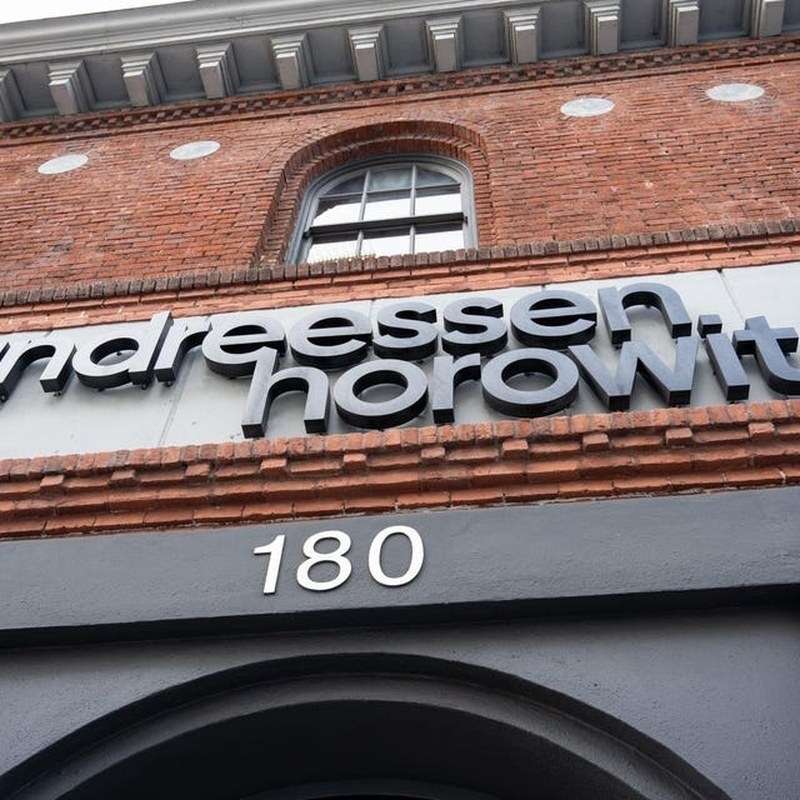
Billionaire Venture Capital Firm Launches 2-Year College Alternative
Today on